








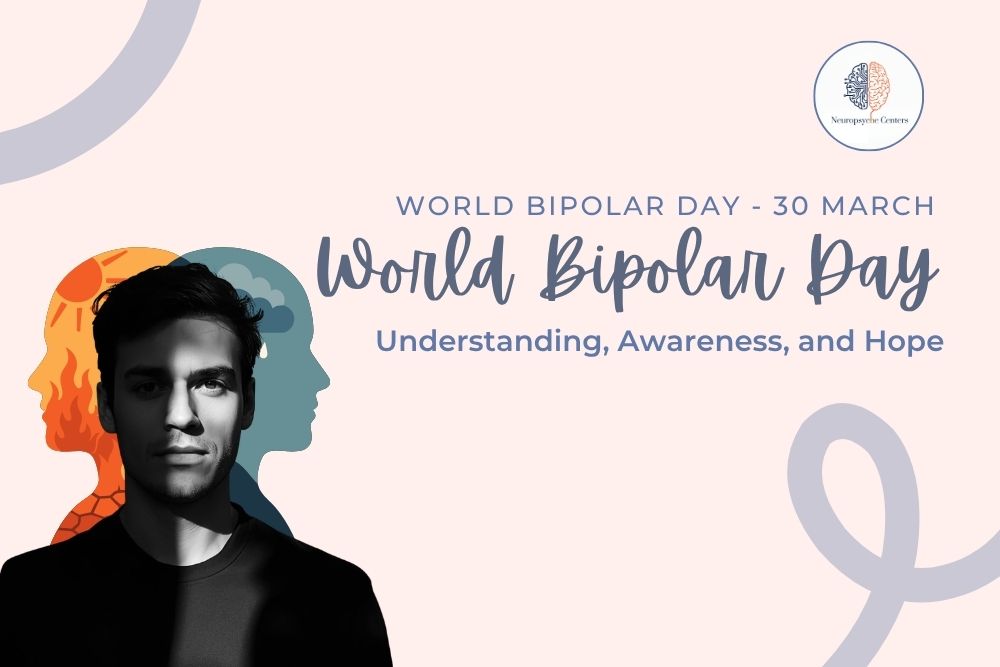
World Bipolar Day – Understanding, Awareness, and Hope
Awareness and Importance of World Bipolar Day
World Bipolar Day, observed on March 30, is an important global initiative aimed at spreading awareness about Bipolar Disorder and reducing the stigma associated with mental health conditions. Despite growing conversations around mental health, bipolar disorder is still widely misunderstood. Many people confuse it with simple mood swings, but in reality, it is a complex condition that significantly affects how a person thinks, feels, and functions in everyday life. The scientific understanding of this condition was shaped by Emil Kraepelin, who identified it as manic-depressive illness, highlighting that these intense emotional shifts are part of a medical condition rather than a personality issue.
Understanding Bipolar Disorder in Simple Terms
In simple terms, bipolar disorder involves extreme shifts in mood, energy, and activity levels. These shifts are much more intense than the usual ups and downs everyone experiences. A person may go through “high” phases, known as mania or hypomania, where they feel overly energetic, confident, or even restless. On the other hand, they may experience “low” phases of depression, where they feel deeply sad, tired, and uninterested in things they once enjoyed. These changes are not just emotional—they can influence sleep patterns, decision-making, relationships, and the ability to carry out daily tasks. What makes bipolar disorder challenging is the unpredictability of these episodes, which can disrupt routines and create confusion for both the individual and those around them.
To better understand how bipolar disorder feels in everyday life, it helps to look at real, relatable experiences. During a high phase, a person might feel like they don’t need sleep and can stay awake for long hours without feeling tired. Their thoughts may race quickly, jumping from one idea to another, and they may talk more than usual. Confidence can increase to the point where they feel capable of doing anything, sometimes leading to impulsive decisions such as overspending, taking risks, or acting without thinking through consequences. While this phase can initially feel exciting or productive, it can quickly become overwhelming or difficult to control. In contrast, during a low phase, even simple activities like getting out of bed, attending classes, or completing daily tasks can feel exhausting. A person may lose interest in hobbies, avoid social interactions, and struggle with concentration. This phase can feel heavy and draining, often making individuals feel stuck or disconnected from their surroundings.
Impact on Daily Life and Relationships
Bipolar disorder affects multiple aspects of life in ways that are often misunderstood by others. Some common impacts include:
- Relationships: Sudden mood changes can confuse friends and family, sometimes leading to misunderstandings or conflicts. During high phases, impulsive behavior may strain relationships, while during low phases, withdrawal can create emotional distance.
- Education and Work: Fluctuating energy and focus can make it difficult to maintain consistency. A person might feel extremely productive during one period and completely unmotivated in another, affecting performance.
- Physical Health: Sleep disturbances, irregular eating habits, and stress during mood episodes can impact overall well-being.
- Decision-Making: High phases may lead to risky or impulsive choices, while low phases can make even simple decisions feel overwhelming.
- Self-Perception: Constant emotional shifts may cause individuals to question their abilities or feel a lack of control over their own thoughts and actions.
Treatment, Recovery, and Long-Term Outlook
The good news is that bipolar disorder is manageable with the right treatment and support. Treatment usually involves a combination of medication, therapy, and lifestyle adjustments. Medications help stabilize mood and reduce the intensity of episodes, while therapy provides tools to understand triggers, manage thoughts, and develop healthier coping strategies. In addition, maintaining a structured daily routine plays a crucial role. Simple habits like sleeping at the same time every day, eating balanced meals, staying physically active, and managing stress can make a significant difference. Support from family, friends, or support groups is equally important, as feeling understood and supported can greatly improve recovery and long-term stability.
When it comes to recovery, it is important to understand that improvement takes time. Some people may start noticing positive changes within a few weeks of beginning treatment, but finding the right combination of medication and therapy can take several months. Bipolar disorder is generally a long-term condition, meaning it may not completely go away, but it can be effectively managed. Over time, many individuals experience fewer and less intense mood episodes, especially when they remain consistent with their treatment and become more aware of early warning signs. The prognosis is often positive when proper care is followed, people can build successful careers, maintain meaningful relationships, and achieve their personal goals.
Conclusion: Moving Toward Awareness and Acceptance
World Bipolar Day serves as a powerful reminder that Bipolar Disorder is a real and treatable condition, not a weakness or a flaw in personality. By increasing awareness and encouraging open conversations, society can move toward greater understanding and acceptance of mental health challenges. With the right treatment, support, and self-awareness, individuals living with bipolar disorder can lead stable, fulfilling, and meaningful lives. Most importantly, this day reminds us that no one has to face mental health struggles alone, and seeking help is a strong and important step toward healing.