








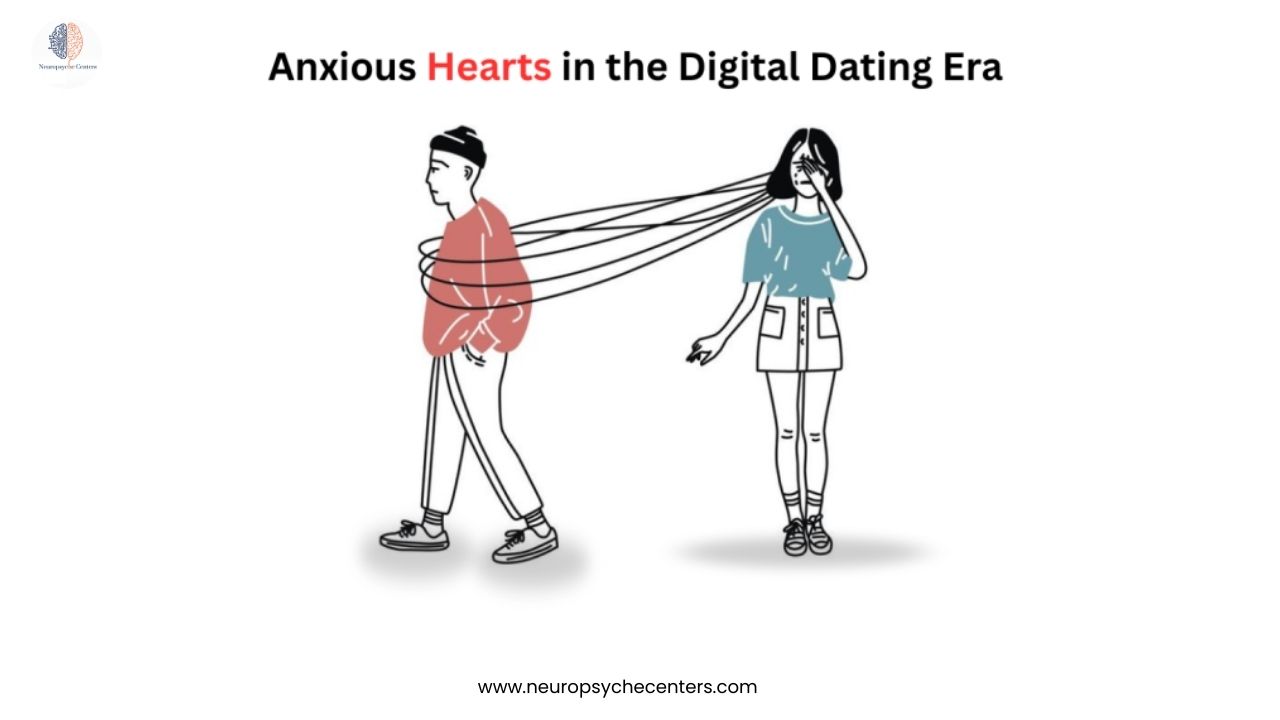
The Rise of Relationship Anxiety &Hypervigilance in Modern Dating
In a world where dating apps promise endless options and social media keeps relationships
under a digital microscope, modern love has become both more accessible and more
emotionally complex. Today, a growing number of individuals are entering relationships with a
heightened sense of alertness—constantly scanning for threats, signs of rejection, or subtle
shifts in their partner’s behavior. This phenomenon, known as relationship anxiety paired with
hypervigilance, is becoming increasingly common in modern dating.
But why is this happening? And what does psychology reveal about this shift in the emotional
landscape of intimacy?
What Exactly Is Relationship Anxiety?
Relationship anxiety refers to persistent fear, worry, or self-doubt within romantic relationships.
Even in the presence of affection and reassurance, individuals may feel:
Uncertain about their partner’s intentions
1 Afraid of abandonment or betrayal
2 Anxious about the future of the relationship
3 Worried they are “too much” or “not enough”
Unlike typical relational concerns, relationship anxiety persists beyond logical reasoning. It often
stems from deep-rooted cognitive patterns, attachment experiences, or past emotional injuries.
The Psychological Roots: Why Hypervigilance Emerges
Hypervigilance—being constantly attuned to potential danger—is the mind’s attempt to protect
us. In relationships, it can manifest as:
Overanalyzing texts, tone, or timing
Monitoring a partner’s social media
Feeling threatened by minor misunderstandings
Expecting sudden withdrawal or conflict
Psychologically, hypervigilance is a survival response. For many, it originates from:
- Early Attachment Patterns
People who grew up with inconsistent caregivers often develop anxious or ambivalent
attachment styles. Their nervous system learns to stay alert, expecting emotional shifts
at any moment. - Past Relationship Trauma
Ghosting, betrayal, infidelity, or abrupt breakups create cognitive schemas that
anticipate repeated harm, even in safer relationships. - The Digital Dating Environment
Modern dating platforms create an illusion of infinite alternatives. This increases
comparison, insecurity, and uncertainty—fertile ground for anxious thinking. - Social Media Hyper-Comparison
Seeing highlight-reel relationships online distorts expectations and fuels fear of
inadequacy.
How Modern Culture Intensifies These Psychological Patterns Instant Gratification, Instant Anxiety
With everything from food to validation available instantly, waiting feels threatening. A delayed
reply becomes a psychological trigger.
Overexposure to Choices
Paradoxically, more choices lead to more insecurity, fear of replacement, and emotional
instability.
Rise of Non-Traditional Relationship Styles
Open relationships, casual dating, and fluid boundaries can bring freedom—but also ambiguity
that amplifies uncertainty for those prone to anxiety. Fear of Vulnerability Modern culture glorifies independence, confidence, and emotional detachment. This makes vulnerability feel like weakness, causing people to guard themselves even when they crave intimacy.
The Mind-Body Connection: How Anxiety Shows Up Physically
Relationship anxiety is not merely emotional; it activates the body’s stress systems. Individuals
may experience: Tightness in the chest, Insomnia, Increased heart rate Appetite changes, Fatigue, Difficulty concentrating
Hypervigilance keeps the nervous system in a near-constant fight-or-flight state—exhausting,
but difficult to escape without awareness and intervention. Breaking the Cycle: Psychological Strategies That Help - Recognizing Cognitive Distortions
Therapeutic approaches like CBT help identify patterns such as catastrophizing,
mind-reading, or personalization that fuel anxiety. - Strengthening Self-Regulation Skills
Techniques like grounding, breathwork, and mindfulness calm the hyperactive nervous
system, allowing clearer emotional processing. - Understanding Attachment Style
Developing insight into one’s relational patterns increases emotional intelligence and
fosters healthier connections. - Communicating Needs Clearly
Consistent, honest communication reduces ambiguity—one of the most powerful
triggers for anxious minds. - Seeking Therapeutic Support
Professional support offers a safe space to unpack past experiences, build resilience,
and reshape relational expectations. Many individuals explore supportive approaches
through resources similar to those found on the Home page, or by browsing their
Services and connecting through the Contact section. Some also engage with
informative content available on platforms like the Blog, media discussions similar to a
Media hub, or mental-health focused categories like Uncategorized articles.
A Healthier Future for Modern Love
The rise of relationship anxiety and hypervigilance is not a sign that modern love is broken—it’s
a reflection of how rapidly the dating landscape is evolving. As relationships become more
interconnected with technology and societal pressures, our emotional systems are simply trying
to keep up.
By understanding the psychological roots of these experiences, individuals can approach
dating with greater self-awareness, compassion, and emotional stability.
Some may even explore additional support options through sections such as Shop, Home New,
or learn about professionals on pages like Our Doctors and All Doctors. For deeper insight
into practices such as therapy, resources like Psychotherapy Myths can add clarity. Practical
needs like reviewing your Cart or going through Checkout also support the journey toward
wellness. And for understanding an organization’s background, sections akin to About Us often
help individuals feel more informed and connected.
Love in the digital age may feel complex, but with the right tools, it can also be deeply
transformative.
Shweta
20/11/2025Informative and relatable 👍got clarity on lot many confusions
Depression & Mental Health Disorders: Early Signs You Shouldn’t Ignore - Neuropsyche Centers Depression & Mental Health Disorders: Early Signs You Shouldn’t Ignore - Neuropsyche Centers
05/12/2025[…] see many individuals who waited too long to seek help. By the time symptoms escalate, daily life, relationships, and work performance are already deeply affected. Understanding early signs can help you or your […]
Best Child Psychiatrist In Dwarka, Delhi - Neuropsyche Centers
15/12/2025[…] child’s mental and emotional well-being. With the right support, children can develop confidence, emotional strength, and healthy coping skills for a brighter and balanced […]