








Trauma Care for Survivors of Violence Against Women
Violence against women is a serious social and mental health concern in India and across the world. It affects women of all ages, backgrounds, and communities, often leaving deep emotional and psychological scars that are not always visible. Survivors of violence may carry fear, shame, anxiety, and emotional pain long after the abuse has stopped. Trauma care plays a critical role in helping women heal, regain control over their lives, and move forward with strength and confidence. At Neuropsyche Center, we are committed to providing compassionate, professional, and trauma-informed mental health support for survivors.
Violence against women can take many forms, including domestic violence, sexual assault, emotional abuse, stalking, workplace harassment, and coercive control. In many cases, the violence occurs within close relationships or familiar environments, making it even more difficult for survivors to speak out. Social stigma, fear of judgement, and cultural pressures often silence women, preventing them from seeking timely help. As a result, emotional trauma may remain unaddressed, affecting mental health, physical well-being, relationships, and daily functioning.
Trauma is the natural response of the mind and body to overwhelming and threatening experiences. Survivors may experience symptoms such as anxiety, panic attacks, depression, disturbed sleep, flashbacks, emotional numbness, difficulty trusting others, or feelings of guilt and self-blame. Some women may develop post-traumatic stress disorder (PTSD) or other stress-related conditions. These reactions are not signs of weakness but normal responses to deeply distressing experiences. Trauma care helps survivors understand these responses and begin the process of healing.
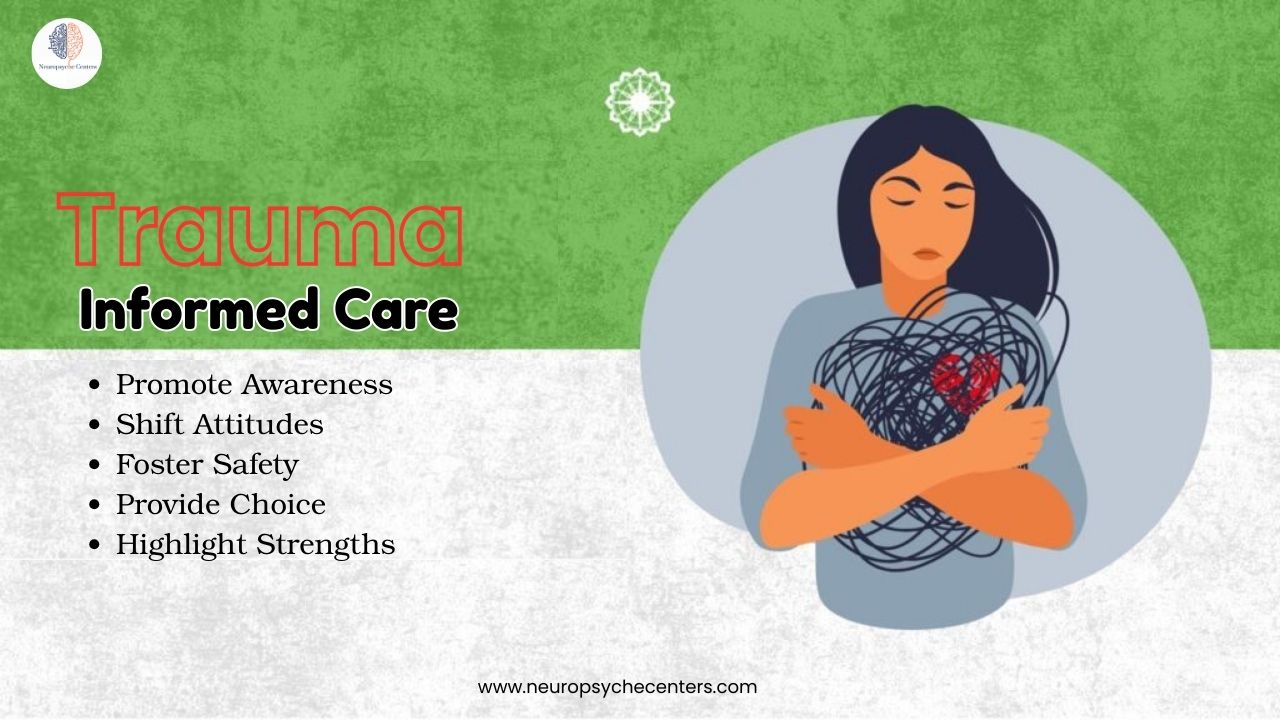
At Neuropsyche Center, trauma care begins with creating a safe, confidential, and non-judgemental space. Survivors are encouraged to share their experiences at their own pace, without pressure or fear. Restoring a sense of safety and control is the foundation of trauma recovery. Our mental health professionals focus on building trust, emotional stability, and self-awareness, ensuring that survivors feel supported throughout their healing journey.
Psychotherapy and counselling form the core of trauma care. Evidence-based approaches such as Cognitive Behavioural Therapy (CBT) help survivors identify and challenge negative thought patterns related to fear, shame, and self-blame. Therapy supports emotional regulation, coping with triggers, and developing healthier ways of thinking and responding. Counselling also helps women rebuild self-esteem, confidence, and a sense of personal strength that may have been damaged by violence.
In some cases, trauma-related symptoms such as severe anxiety, depression, or sleep disturbances may require medical support. Psychiatric consultation ensures accurate diagnosis and appropriate treatment. When medication is needed, it is carefully prescribed and regularly monitored, always combined with therapy for holistic mental health care. This integrated approach supports both emotional healing and mental stability.
Psychological assessment is another important component of trauma care. Structured psychological testing helps assess emotional distress, stress levels, and trauma-related symptoms. These assessments guide personalised treatment planning and allow mental health professionals to track progress over time. This ensures that care remains effective, focused, and responsive to the survivor’s needs.
Trauma care is not only about reducing symptoms; it is also about empowerment and rebuilding life after violence. Survivors often struggle with loss of identity, trust, and self-worth. Through therapy, women learn to set healthy boundaries, recognise their inner strengths, and reconnect with their personal goals and aspirations. Trauma-informed care respects each survivor’s choices and supports them in regaining independence and confidence.
In the Indian context, trauma care must be culturally sensitive and compassionate. Many women face family pressure, social expectations, and fear of social isolation. At Neuropsyche Center, we understand these challenges and provide care with empathy, respect, and cultural awareness. Our approach ensures that survivors feel understood and supported without judgement.
Trauma care for survivors of violence against women is a journey, not a quick solution. With the right mental health support, healing is possible. At Neuropsyche Center, we stand with survivors, offering professional care, dignity, and hope for a healthier and more empowered future.
Shweta Singh
22/12/2025Relatable and validating blog … wish it reaches more and more people.