








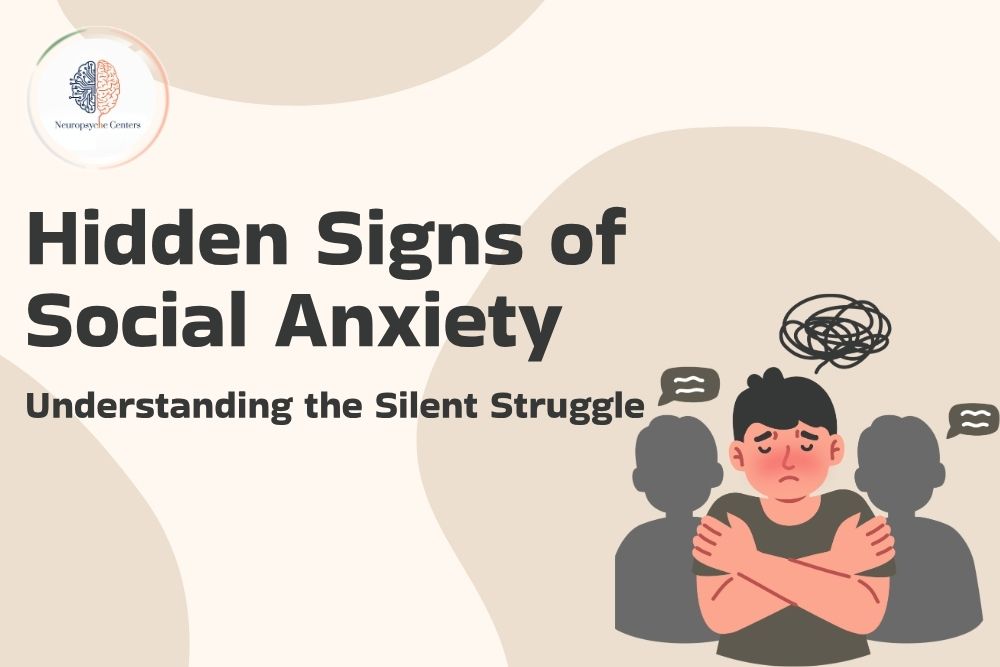
Hidden Signs of Social Anxiety: Understanding the Silent Struggle
Social anxiety disorder is more than just shyness or nervousness in social situations. It is a common mental health condition that affects millions of people worldwide, often interfering with relationships, career growth, academic performance, and overall emotional well-being. Unfortunately, many hidden signs of social anxiety go unnoticed because individuals struggling with it often appear calm, confident, or highly functional on the outside.
One of the most common symptoms of social anxiety is excessive overthinking after social interactions. People with social anxiety frequently replay conversations in their minds, worrying they may have said something embarrassing or appeared awkward. This constant self-criticism can become emotionally draining and increase feelings of stress and low self-esteem.
Another hidden sign of social anxiety disorder is avoidance behavior. Individuals may avoid phone calls, social gatherings, public speaking, or even casual conversations. They often make excuses to skip events or remain silent in group settings to avoid judgment or embarrassment. While others may interpret this as disinterest or introversion, it is often rooted in intense fear and anxiety.
Physical symptoms of anxiety are also common but frequently overlooked. A racing heartbeat, sweating, trembling, nausea, blushing, or difficulty speaking in social situations are all signs of social anxiety. These reactions occur because the brain perceives social interaction as a threat, triggering the body’s stress response.
Perfectionism and people-pleasing behaviors are also strongly linked to social anxiety. Many individuals feel pressure to appear “perfect” to avoid criticism or rejection. They may overprepare for presentations, rehearse conversations repeatedly, or constantly seek reassurance from others. Although this may look like dedication or high achievement, it often comes with overwhelming mental exhaustion.
One reason social anxiety can be difficult to identify is because many people become experts at masking their discomfort. They may smile, avoid eye contact subtly, stay unusually quiet, or act overly polite to prevent attention from being drawn toward them. Internally, however, they may be experiencing intense anxiety and emotional distress.
If left untreated, social anxiety disorder can negatively impact mental health and quality of life. It may contribute to loneliness, depression, low confidence, relationship difficulties, and missed opportunities in both personal and professional settings. The fear of being judged can prevent individuals from expressing themselves freely or pursuing goals they genuinely care about.
The good news is that social anxiety treatment is highly effective. Cognitive Behavioral Therapy (CBT), counseling, mindfulness techniques, and professional mental health support can help individuals manage anxious thoughts, improve self-confidence, and develop healthier coping strategies. Early intervention can significantly improve emotional well-being and daily functioning.
Understanding the hidden symptoms of social anxiety is essential for reducing stigma and encouraging compassionate conversations around mental health. Instead of labeling someone as “too shy” or “antisocial,” creating supportive and non-judgmental environments can help individuals feel safe, understood, and empowered to seek help.
At Neuropsyche Center, we believe mental health awareness begins with empathy, understanding, and support. Because behind every silent struggle is someone who deserves to be heard.