








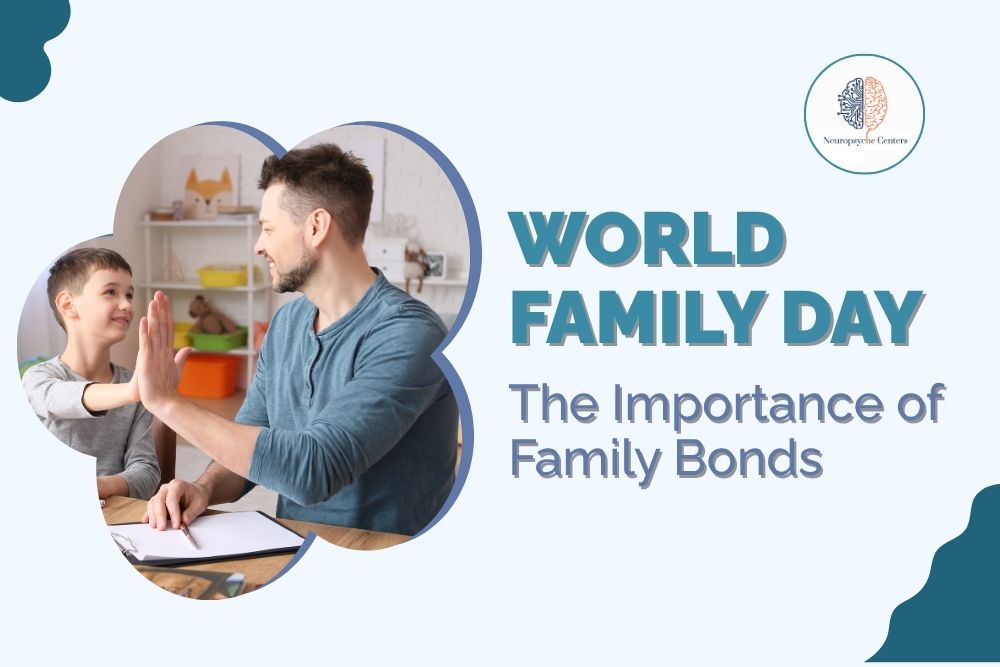
World Family Day – The Importance of Family Bonds
In today’s fast-moving digital world, people are more connected online than ever before, yet emotional disconnection within families has become increasingly common. Busy schedules, academic pressure, work responsibilities, social media distractions, and constant stress often reduce meaningful family interactions. However, despite changing lifestyles and modern independence, family continues to remain one of the strongest emotional foundations in human life. On World Family Day, it becomes important to reflect on how family relationships influence emotional wellbeing, personal growth, mental health, and overall happiness.
Family is not simply a social structure or a group of people related by blood. It is the first environment where individuals learn love, trust, communication, values, empathy, and emotional resilience. Healthy family bonds create a sense of belonging and emotional safety that helps individuals navigate life’s challenges with confidence. Families shape personalities, influence emotional intelligence, and provide support during moments of stress, uncertainty, and failure. Strong emotional connections within families often become the reason people feel secure, valued, and mentally stronger.
Why Emotional Connections Within Families Matter
Family plays a significant role in emotional development because human beings naturally seek connection, acceptance, and support. From childhood onwards, family members become the first teachers, caregivers, motivators, and emotional protectors. The way family members communicate, support one another, and handle conflicts deeply impacts emotional wellbeing.
Emotionally supportive families create environments where individuals feel comfortable expressing emotions without fear of judgment. This openness strengthens trust and promotes mental stability. According to attachment theory proposed by Bowlby (1988), secure emotional bonds formed during early family relationships influence emotional confidence and relationship patterns throughout life.
A healthy family environment encourages emotional security through simple but meaningful behaviors such as listening attentively, spending quality time together, encouraging open communication, and offering reassurance during difficult moments.
Family as the Core of Emotional Support
1. Family Provides Emotional Support
One of the most important roles of family is providing emotional support during stressful situations. Whether facing academic pressure, career struggles, emotional difficulties, or personal failures, family members often become the primary source of comfort and encouragement.
Simple acts such as checking on each other, offering advice, sharing meals together, or listening without judgment help individuals feel emotionally supported. These small interactions create a strong emotional safety net that reduces loneliness and anxiety.
2. Family Shapes Values and Personality
Families influence the way individuals think, behave, and interact with others. Important values such as kindness, honesty, empathy, patience, responsibility, and respect are often learned first within the family environment.
Children who grow up in supportive and respectful households are more likely to develop healthy self-esteem, emotional intelligence, and positive social behaviour. Family becomes the foundation that shapes moral understanding and emotional maturity.
3. Family Creates a Sense of Belonging
Every individual needs a space where they feel accepted and understood. Family provides a sense of identity and belonging that contributes to emotional wellbeing and confidence.
In difficult times, knowing that there are people who genuinely care creates emotional strength. Even independent individuals remain emotionally dependent on family connections because emotional belonging is a basic human need.
4. Family Strengthens Mental Wellbeing
Strong family relationships positively impact mental health by reducing stress, improving emotional regulation, and promoting resilience. Supportive conversations, encouragement, and emotional presence help individuals manage anxiety, sadness, and life challenges more effectively.
Research in positive psychology suggests that healthy social relationships are directly linked to increased happiness, emotional stability, and life satisfaction (Seligman, 2011). Families that communicate openly and support each other emotionally create healthier minds and healthier lives.
How Families Can Build Stronger Bonds
Strong family relationships require intentional effort, communication, understanding, and emotional presence. In modern lifestyles, maintaining meaningful family connections has become more important than ever.
1. Spend Quality Time Together
Quality matters more than quantity when it comes to family bonding. Simple activities such as eating meals together, going for walks, watching movies, or having meaningful conversations help strengthen emotional connection.
Even short moments of undivided attention can make family members feel valued and appreciated.
2. Practice Active Listening
Listening without interrupting or judging creates trust and emotional closeness. Family members should feel heard and understood when sharing feelings, concerns, or experiences.
Active listening promotes empathy and reduces misunderstandings within relationships.
3. Express Appreciation Regularly
Gratitude strengthens emotional bonds. Saying “thank you,” appreciating efforts, or acknowledging small acts of care can significantly improve family relationships.
Feeling appreciated increases emotional security and encourages positive communication.
4. Create Family Rituals and Traditions
Shared rituals such as family dinners, weekend outings, celebrations, or evening conversations help create consistency and togetherness.
These traditions strengthen emotional memories and create lasting feelings of connection.
5. Encourage Open Communication
Healthy families create safe spaces where emotions can be discussed openly. Honest communication reduces emotional distance and helps resolve conflicts respectfully.
Encouraging emotional expression also improves mental wellbeing and trust within the family.
Final Thoiughts
Family is not defined by perfection; it is defined by presence, support, understanding, and unconditional care. In a world filled with pressure, distractions, and emotional stress, family remains one of the most powerful sources of comfort and emotional strength.
On World Family Day, it is important to celebrate not only family relationships but also the emotional connections that make individuals feel safe, valued, and loved. Strong family bonds improve mental wellbeing, strengthen resilience, and create meaningful support systems that last throughout life.
By spending quality time together, practicing empathy, communicating openly, and showing appreciation through everyday actions, families can create healthier relationships and emotionally supportive environments. In the end, the true strength of a family lies not in perfection, but in the ability to grow, heal, support, and stand beside one another through every phase of life.