








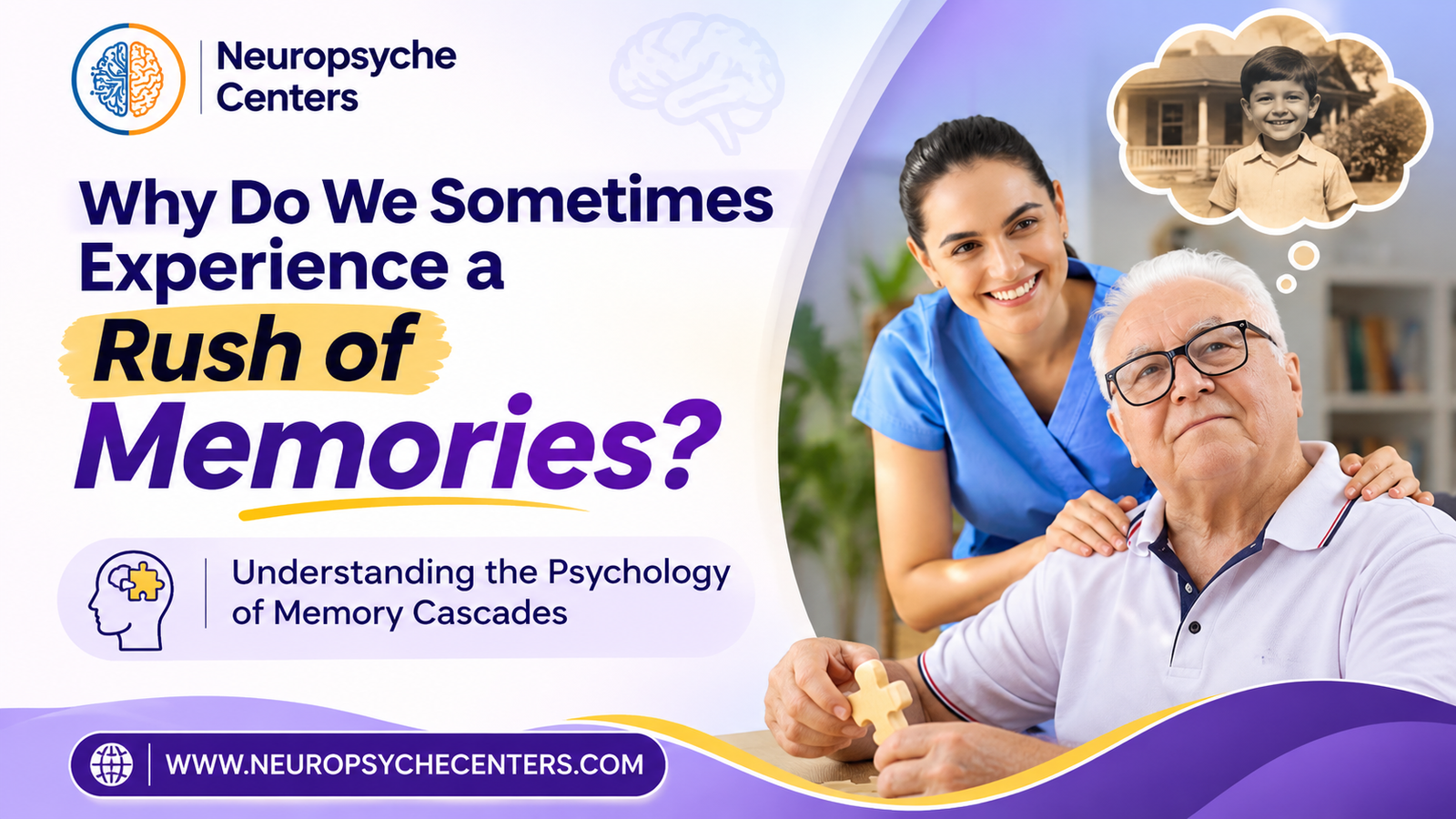
Why Do We Sometimes Experience a Rush of Memories? Understanding the Psychology of Memory Cascades
Have you ever walked past a bakery, smelled something familiar, and suddenly remembered your grandmother’s kitchen? Perhaps an old song reminds you of your school days, or a familiar place brings back memories of people you have not thought about in years.
Sometimes, one small experience can unlock an entire sequence of memories. This fascinating psychological phenomenon is known as a memory cascade.
What Are Memory Cascades?
A memory cascade occurs when one memory or sensory experience triggers a chain of associated memories. A single smell, sound, taste, image or conversation can activate several interconnected experiences from the past.
For example, hearing an old song might remind you of a school friend. That memory may bring back images of your classroom, childhood celebrations and conversations you had years ago.
These recollections can appear rapidly and sometimes carry strong emotional and sensory details.
The Psychology Behind Memory Cascades
Human memory does not function like a collection of separate video recordings. Instead, memories are organised through interconnected networks involving people, places, emotions and experiences.
Three psychological processes help explain memory cascades:
1. Associative Retrieval and Spreading Activation
Memories are connected through shared features and meanings. When one memory becomes activated, related memories may also become accessible. This process, known as spreading activation, creates a chain reaction in which one recollection triggers another.
2. Autobiographical Memory Networks
Our personal memories are organised at different levels, ranging from broad life periods to specific events and sensory details. Remembering one detail from childhood, for example, may bring back several experiences associated with that period.
3. Sensory Triggers and the Proust Phenomenon
Smells, sounds and tastes can trigger particularly vivid emotional memories. This experience is commonly associated with the Proust phenomenon, in which sensory cues unexpectedly bring past experiences into awareness.
Common Signs of Memory Cascades
Memory cascades are generally a normal feature of human cognition. Some common experiences include:
- Sudden feelings of nostalgia, sadness or happiness without immediately understanding why.
- Vivid recollections involving familiar sounds, smells, places and people.
- Temporarily losing focus on your surroundings while remembering past experiences.
- Recalling several related events within a short period.
- Experiencing repetitive negative memories during stressful situations.
While positive memory cascades can create meaningful moments of reflection, negative associations may sometimes contribute to anxiety and rumination.
Five Ways to Manage Memory Cascades
Although we cannot completely control which memories become activated, we can develop healthier ways to respond.
- Identify the Trigger: Notice the smell, sound, image or situation that initiated the memory sequence.
- Separate Past from Present: Remind yourself that an emotionally powerful memory belongs to an earlier experience, not necessarily your current reality.
- Practise Journaling: Write down meaningful memories or insights to organise your thoughts without becoming overly absorbed in them.
- Use Sensory Grounding: If memories become distressing, focus on your immediate surroundings. Notice your breathing, feel your feet on the floor or identify five things you can see.
- Use Positive Cues: Revisit photographs, music or personal notes intentionally to encourage reflection, creativity and personal growth.
Try This: The Three-Step Memory Cascade Exercise
The next time a sudden rush of memories occurs, ask yourself:
- Spot the Spark: What did I see, hear, smell or experience before these memories appeared?
- Trace the Link: What common person, place, emotion or experience connects these memories?
- Choose Your Focus: Is this memory helpful to explore, or should I return my attention to the present?
This simple exercise can improve awareness of your memory patterns and help you regain focus.
When Should You Seek Professional Guidance?
Occasional memory cascades are normal. However, professional guidance may be helpful when memories become involuntary, intrusive or emotionally overwhelming.
Consider consulting a clinical psychologist or psychiatrist if vivid recollections trigger panic, physical hyperarousal or dissociation, particularly following traumatic experiences. Professional assessment is also recommended when uncontrollable memories or racing thoughts interfere with sleep, concentration, mood or everyday functioning.
Understanding Your Memories Without Becoming Overwhelmed
Our memories are deeply interconnected, and sometimes the smallest experiences can open the door to forgotten moments. These unexpected recollections remind us how closely our senses, emotions and personal experiences are connected.
The goal is not to prevent memories from appearing but to understand them, recognise their emotional impact and remain connected to the present.
At Neuropsyche Centers, we believe that understanding how our minds work is an important step towards greater psychological awareness and emotional well-being.