








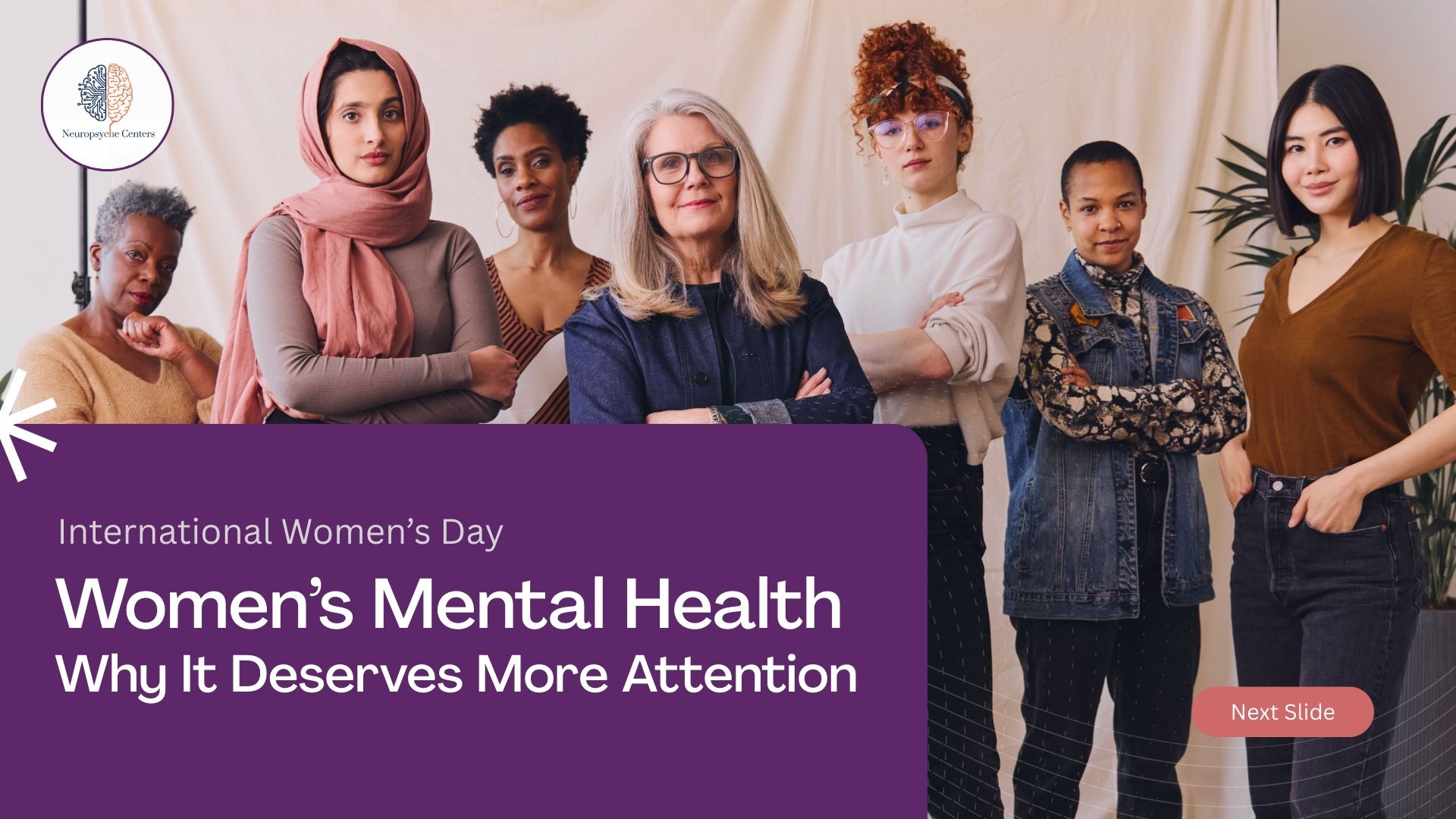
Women’s Mental Health: Why It Deserves More Attention
Every year on International Women’s Day, the world celebrates the achievements, resilience, and contributions of women. The day highlights progress toward equality, leadership, and empowerment. However, one important aspect of women’s well-being that still needs greater attention is mental health.
Mental health plays a crucial role in how individuals think, feel, and handle everyday situations. For women, maintaining good mental health can be particularly challenging due to the multiple roles they often balance in society. Many women manage academic or professional responsibilities while also navigating expectations related to family, relationships, and social norms.
Despite their resilience, these pressures can sometimes affect emotional well-being. Recognizing the importance of women’s mental health is essential not only for individual happiness but also for the well-being of families and communities.
Understanding Women’s Mental Health
Mental health includes emotional stability, psychological resilience, self-esteem, and the ability to cope with life’s difficulties. When women have strong mental well-being, they are able to pursue their ambitions, maintain healthy relationships, and adapt to challenges effectively.
Research by the World Health Organization shows that women are more likely than men to experience certain mental health challenges such as anxiety and depression. These conditions can arise due to a combination of biological, psychological, and social factors.
In addition, social expectations and unequal opportunities can sometimes create emotional stress. Recognizing these challenges helps society understand why supporting women’s mental health is so important.
Why Women’s Mental Health Is Important
1. Emotional Well-Being and Stability
Mental health helps women maintain emotional balance in their daily lives. When women feel mentally supported, they are better equipped to handle stress, solve problems, and maintain positive attitudes.
Emotional stability allows individuals to respond thoughtfully to challenges instead of feeling overwhelmed.
2. Building Confidence and Self-Worth
Confidence plays a vital role in helping women pursue their dreams and ambitions. Women with strong mental well-being are more likely to:
- express their ideas confidently
- take leadership roles
- pursue educational and career opportunities
- advocate for themselves and others
Supporting mental health helps women recognize their abilities and potential.
3. Better Decision-Making
Women often make important decisions for themselves and their families. A healthy mental state enables clear thinking, balanced judgment, and thoughtful decision-making.
When mental health is neglected, stress and emotional exhaustion can make it harder to evaluate situations effectively.
4. Personal Development and Growth
Mental health support encourages women to explore their interests and talents. Women who feel emotionally secure are more likely to engage in learning, creativity, and personal growth.
Statistics That Highlight the Importance of Women’s Mental Health
Research provides important insights into the mental health challenges faced by women worldwide.
According to the World Health Organization:
- Depression is one of the leading causes of illness worldwide.
- Women are nearly twice as likely as men to experience depression during their lifetime.
Studies from the National Institute of Mental Health also show that women are more likely to experience anxiety-related conditions.
These statistics do not mean women are weaker; rather, they reflect the unique biological and social factors that influence women’s mental health.
How Mental Health Affects a Woman’s Life
Mental well-being influences almost every aspect of life. When mental health is prioritized, women can function more effectively in personal, academic, and professional settings.
1. Relationships and Emotional Connections
Women often play an important role in maintaining relationships within families and social groups. Good mental health supports communication, empathy, and emotional understanding.
This helps create stronger and more supportive relationships.
2. Education and Career Success
Mental health directly impacts focus, productivity, and creativity. Women who feel emotionally balanced are better able to concentrate on their studies or work responsibilities.
Supportive environments encourage women to develop skills, pursue leadership opportunities, and contribute innovative ideas.
3. Physical Health
Mental and physical health are closely connected. Emotional stress can affect sleep patterns, energy levels, and overall physical well-being.
When women take care of their mental health, they are also more likely to maintain healthy habits that support physical health.
4. Self-Identity and Purpose
Mental well-being allows women to understand their goals, values, and personal identity. Feeling mentally secure helps individuals build a strong sense of purpose and direction in life.
Why Society Should Support Women’s Mental Health
Supporting women’s mental health benefits not only individuals but also entire communities.
1. Creating Supportive Environments
Families, schools, and workplaces can play a key role in promoting mental well-being. Encouraging open conversations about emotions helps reduce feelings of isolation.
When women feel heard and respected, they are more likely to seek support when needed.
2. Reducing Stigma Around Mental Health
In many cultures, mental health discussions are still considered uncomfortable. Reducing stigma encourages individuals to speak openly about their experiences.
Awareness campaigns and educational initiatives can help normalize conversations about emotional well-being.
3. Encouraging Work-Life Balance
Women often balance multiple responsibilities. Encouraging balanced lifestyles allows women to manage their commitments without sacrificing their well-being.
Workplaces and educational institutions can contribute by promoting flexible environments and mental health awareness.
Positive Outcomes Associated with Enhancing Women’s Mental Health Support
1. Stronger Families
Women frequently influence the emotional climate within families. When they feel mentally supported, they help create nurturing and stable home environments.
2. Healthier Communities
Women who feel confident and emotionally balanced often contribute actively to community development, education, and social initiatives.
3. More Productive Workplaces
Organizations benefit when employees feel mentally supported. Women who experience positive work environments tend to show greater creativity, collaboration, and engagement.
4. Positive Impact on Future Generations
Children learn emotional habits from the adults around them. When young people grow up in environments where women’s mental health is respected, they develop healthier attitudes toward emotional well-being.
Small Actions That Can Make a Difference
Supporting women’s mental health can start with simple everyday actions:
- encouraging open conversations about emotions
- practicing empathy and understanding
- supporting women’s ambitions and goals
- creating safe spaces for sharing experiences
- promoting self-care and balance
Even small gestures of support can have a meaningful impact on emotional well-being.
Conclusion:
Women contribute significantly to families, workplaces, and communities. Their resilience, creativity, and compassion shape the world around them.
However, behind these strengths are emotional experiences that deserve recognition and care. Prioritizing women’s mental health ensures that women can lead fulfilling and balanced lives.
When society supports women’s mental well-being, the benefits extend far beyond individuals – creating healthier families, stronger communities, and a more compassionate world for future generations.