








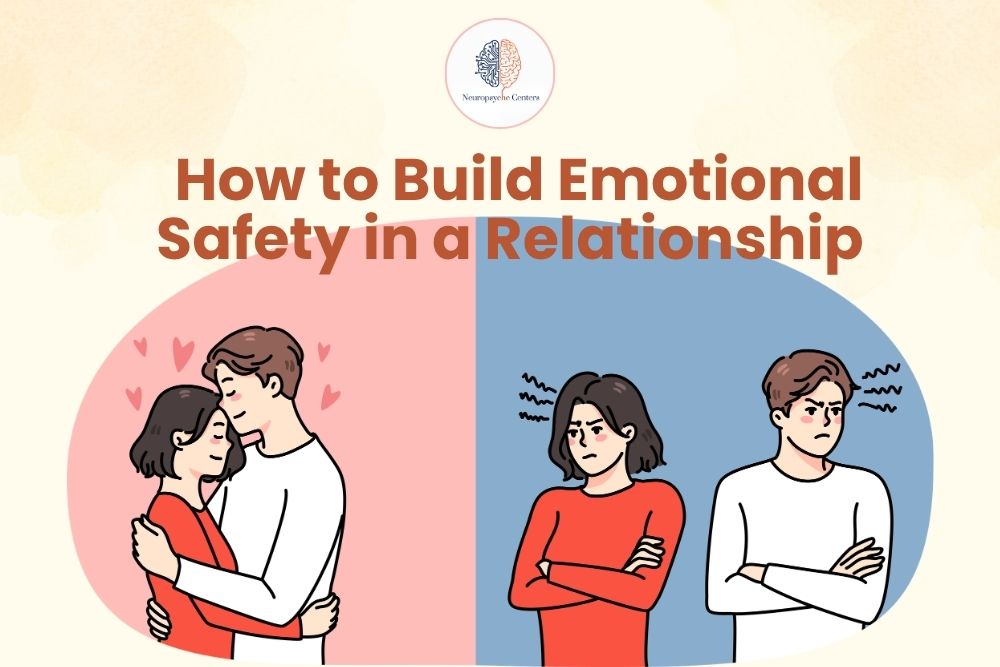
How to Build Emotional Safety in a Relationship
Relationships thrive not just on love, but on emotional safety. Emotional safety is the feeling that you can be yourself with your partner without fear of judgment, rejection, criticism, or emotional harm. When emotional safety is present, partners feel secure expressing their thoughts, feelings, needs, and vulnerabilities openly.
In contrast, when emotional safety is lacking, misunderstandings, resentment, anxiety, and emotional distance often begin to grow. Building emotional safety is an ongoing process that requires trust, communication, and mutual respect.
What Is Emotional Safety?
Emotional safety means feeling accepted, heard, and valued in a relationship. It allows both partners to express their emotions honestly without worrying that their feelings will be dismissed, mocked, or used against them later.
When people feel emotionally safe, they are more likely to:
- Communicate openly
- Resolve conflicts constructively
- Share vulnerabilities
- Develop deeper intimacy
- Build stronger trust
Ways to Build Emotional Safety
1. Practice Active Listening
Listening is more than hearing words. It involves paying attention, showing empathy, and trying to understand your partner’s perspective. Avoid interrupting or immediately jumping to solutions. Sometimes, people simply need to feel heard.
2. Communicate Respectfully
Disagreements are a natural part of every relationship. Focus on discussing the issue rather than attacking the person. Use statements such as “I feel” instead of “You always” or “You never,” which can trigger defensiveness.
3. Validate Feelings
Validation does not mean agreeing with everything your partner says. It means acknowledging that their emotions are real and important. Simple responses like “I understand why you feel that way” can strengthen emotional connection.
4. Be Consistent and Reliable
Trust grows when actions match words. Keeping promises, being dependable, and showing up during difficult times help create a sense of security and predictability.
5. Create Space for Vulnerability
Healthy relationships allow both partners to share fears, insecurities, dreams, and disappointments without fear of criticism. Vulnerability often deepens emotional intimacy and strengthens bonds.
6. Repair After Conflict
Conflicts are inevitable, but unresolved conflicts can damage emotional safety. Taking responsibility, apologizing sincerely, and working toward solutions help rebuild trust and connection.
When to Seek Professional Support
Sometimes past experiences, unresolved trauma, anxiety, or communication difficulties can make it challenging to feel emotionally safe in relationships. Professional counseling can help individuals and couples understand unhealthy patterns, improve communication, and strengthen emotional bonds.
At Neuropsyche Centers, we believe that healthy relationships are built on trust, understanding, and emotional security. With the right support and skills, emotional safety can be cultivated, leading to stronger, healthier, and more fulfilling relationships.
A safe relationship is not one without conflict—it is one where both partners feel respected, valued, and secure enough to navigate challenges together.