







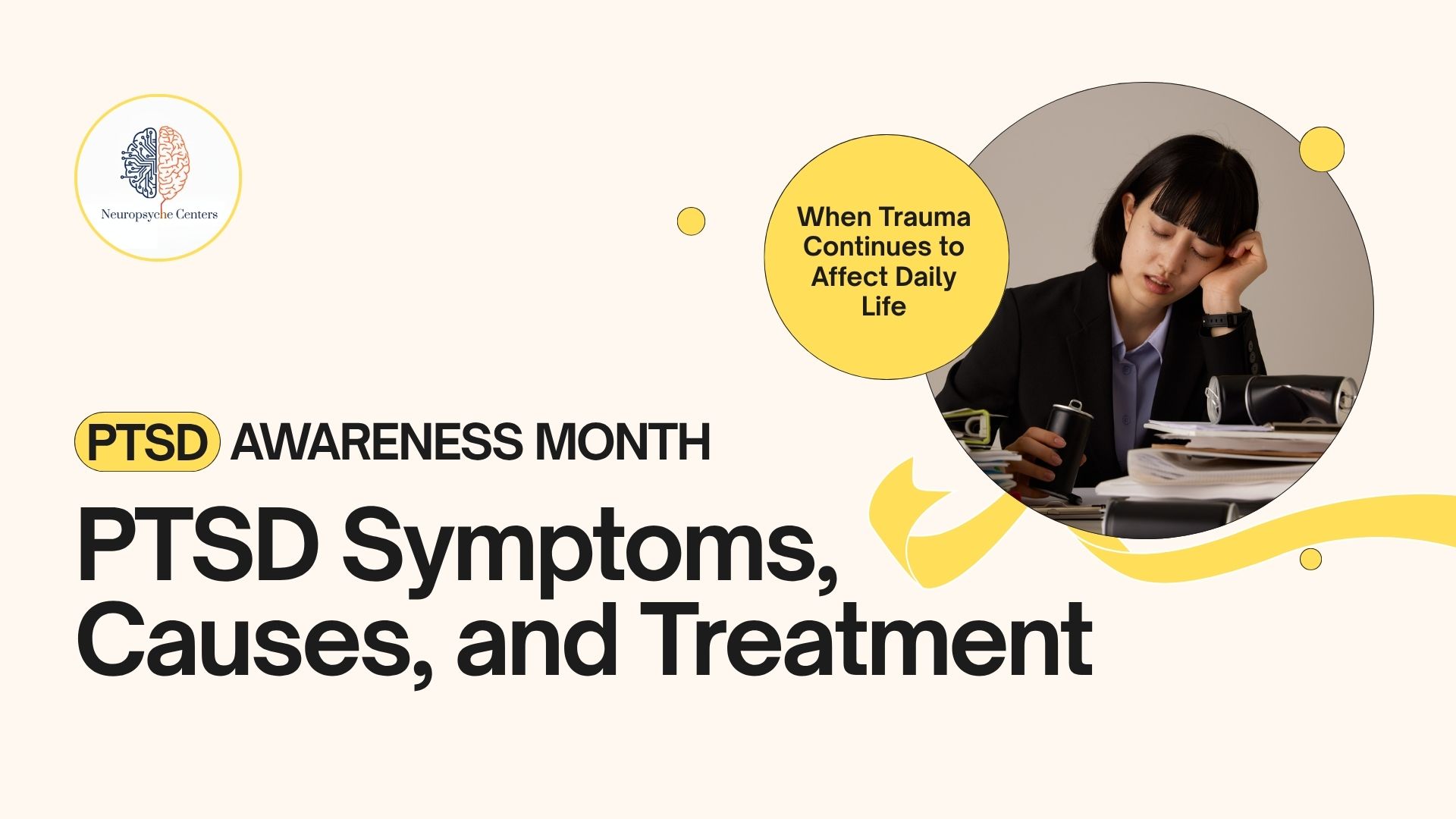
PTSD Symptoms, Causes, and Treatment: When Trauma Continues to Affect Daily Life
Post-Traumatic Stress Disorder (PTSD) is a mental health condition that can develop after experiencing or witnessing a traumatic event. While many people associate PTSD with military combat, it can affect anyone who has experienced trauma, including accidents, physical or emotional abuse, domestic violence, natural disasters, medical emergencies, or the sudden loss of a loved one.
PTSD can significantly impact emotional well-being, relationships, work performance, and overall quality of life. Understanding its symptoms, causes, and treatment options is the first step toward recovery.
What Causes PTSD?
Trauma affects individuals differently. Not everyone who experiences a traumatic event develops PTSD. However, when the brain continues to respond as if danger is still present long after the event has ended, PTSD symptoms may emerge.
Risk factors may include:
- Exposure to severe or repeated trauma
- Childhood abuse or neglect
- Lack of social support
- Previous mental health challenges
- Family history of anxiety or mood disorders
Common Symptoms of PTSD
PTSD symptoms generally fall into four categories:
1. Intrusive Thoughts
Individuals may experience unwanted memories, distressing dreams, or flashbacks that make them feel as though the traumatic event is happening again.
2. Avoidance Behaviors
People often avoid places, conversations, people, or situations that remind them of the traumatic experience.
3. Negative Changes in Mood
Persistent feelings of guilt, fear, shame, sadness, emotional numbness, or difficulty trusting others are common.
4. Hyperarousal and Hypervigilance
Many individuals remain constantly alert, easily startled, irritable, or unable to relax, even in safe environments.
Additional symptoms may include sleep disturbances, difficulty concentrating, fatigue, anxiety, and depression.
When Should You Seek Professional Help?
If trauma-related symptoms persist for more than a month, interfere with daily functioning, affect relationships, or cause significant distress, it is important to seek professional mental health support.
Early intervention can reduce the severity of symptoms and improve long-term outcomes.
Effective PTSD Treatment Options
PTSD is treatable, and recovery is possible. Evidence-based treatment approaches include:
Trauma-Focused Cognitive Behavioral Therapy (TF-CBT)
Helps individuals identify and modify unhelpful thought patterns related to trauma.
Eye Movement Desensitization and Reprocessing (EMDR)
A structured therapy that helps the brain process traumatic memories more effectively.
Medication Management
In some cases, psychiatrists may recommend medications to help manage symptoms such as anxiety, depression, sleep difficulties, and emotional distress.
Lifestyle and Self-Care Strategies
Regular exercise, healthy sleep habits, mindfulness practices, and supportive relationships can complement professional treatment.
Moving Toward Recovery
Healing from trauma does not mean forgetting what happened. Recovery involves learning how to process difficult experiences without allowing them to control daily life. With appropriate support, therapy, and self-care, individuals can regain confidence, resilience, and emotional well-being.
If you or someone you know is struggling with PTSD symptoms, professional help can make a meaningful difference. At Neuropsyche Center, Dwarka, our mental health professionals provide compassionate, evidence-based care to support individuals on their journey toward healing and recovery.